Finding and Setting the Best Temperature for Your Hot Water Heater
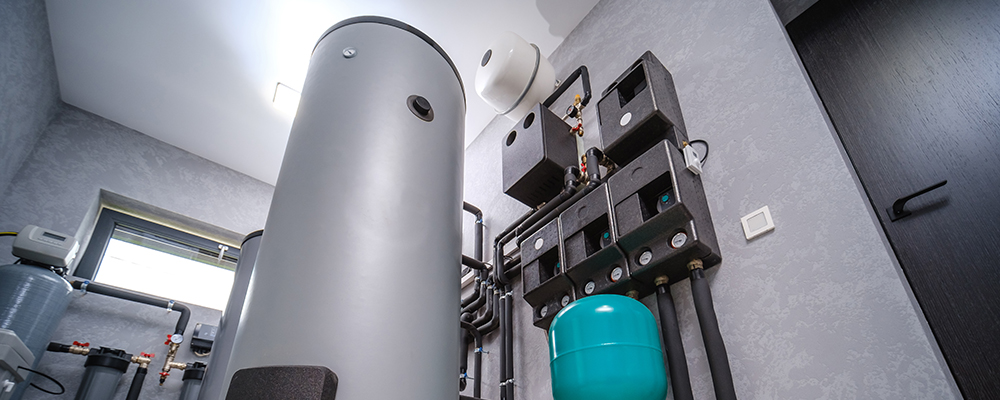
All The Way Up HVAC is here to help you understand the ideal temperature range for your home and how to safely adjust your system.
Key Takeaways
- 120°F is recommended for most homes for energy efficiency and safety
- Lower temperatures reduce scalding risk and energy consumption
- Some appliances, like older dishwashers, may require 140°F
- Regular testing and adjustments improve safety and comfort
What Temperature Should Your Water Heater Be Set To?
Most water heaters come pre-set at 140°F from the manufacturer.
However, the U.S. Department of Energy recommends setting most household systems to 120°F to help save energy and reduce burn risk.
OSHA recommends storing water at least 122°F to reduce the risk of harmful bacteria, including Legionella, forming inside the tank. Because of that, many homeowners choose a temperature between 120°F and 140°F depending on health and safety needs.
What to Consider Before Choosing a Temperature
Every household has different needs. Here are some of the main factors to think about:
Your Dishwasher
Older dishwashers without built-in booster heaters may require 140°F water to properly sanitize dishes. Most newer appliances have boosters and work fine with 120°F. Check your manual for clarification.
Immune System Concerns
Homes with someone who has a weakened immune system may benefit from a higher setting to reduce bacteria growth risks.
Household Size
A single occupant likely won’t drain the tank quickly, making 120°F sufficient. Larger households may require higher temps to maintain a steady supply during back-to-back showers.
Safety for Children and Older Adults
Lower settings reduce the risk of scalding at the faucet, making 120°F ideal for homes with young kids or elderly residents.
Finding the Right Balance: Safety vs. Efficiency
Selecting a temperature comes down to balancing health risk, burn prevention, and operating costs.
- At 120°F, energy use and burn risks decrease, and corrosion slows down
- At 140°F, sanitation improves and hot water supply lasts longer
If you’re unsure what’s best, a middle-ground setting of 130°F often provides a comfortable and safe compromise while helping limit bacterial growth.
How to Adjust Your Water Heater Temperature
If you need hotter water or want to reduce burn risk, adjusting the thermostat is usually simple:
- Test your current temperature
Turn on the hot water farthest from the heater and measure with a thermometer. - Turn off the power
Shut off electricity to the water heater at the breaker for safety. - Locate the thermostat
- Gas heaters have a dial near the base
- Electric heaters often require removing access panels; many have two dials for upper/lower elements
- Tankless and hybrid systems usually adjust via a digital control panel
- Adjust both dials evenly (if electric)
Keep the upper element slightly warmer to help maintain consistency throughout the tank. - Retest after a few hours
Measure the temperature again to ensure it reaches your intended setting.
Ongoing Testing and Maintenance
Regular testing helps maintain comfort and detect potential issues early. Occasional slight fluctuations are normal, but major swings may indicate a problem with the thermostat or heating elements.
Water heater maintenance tips:
- Flush the tank once a year to remove sediment
- Inspect insulation and the pressure relief valve
- Consider annual professional maintenance
These steps help improve efficiency and extend equipment lifespan.
Additional Ways to Improve Efficiency
Aside from adjusting the temperature, you can reduce water heating costs with simple upgrades:
- Insulate the tank and hot water pipes
- Install low-flow faucets and showerheads
- Consider upgrading to a tankless water heater for on-demand heating
These improvements help reduce standby heat loss and overall energy usage.
When to Call a Professional
While temperature adjustment is often DIY-friendly, some issues require expert service. Contact All The Way Up HVAC if you experience:
- Frequent temperature fluctuations
- Rapid loss of hot water
- Leaks or visible insulation damage
- Cloudy, rusty, or foul-smelling water
- Low or inconsistent water pressure
These symptoms may indicate a failing component or an aging system that needs repair or replacement.
Let All The Way Up HVAC Keep Your Water Comfortable and Safe
Whether you need help setting your water heater temperature or require repairs, maintenance, or replacement, the professionals at All The Way Up HVAC have the expertise to keep your hot water system operating efficiently and safely.
To schedule service or request a system evaluation, contact All The Way Up HVAC today.
Share Your New Knowledge
Why Choose Us?
- EPA Section 608 Certified: Type I, Type II, Type III, Universal
- NJ Master HVAC Contractor License
- R410A Safety Certified
- Over 15 Years of Experience
- Professional & Reliable
- Satisfaction Guaranteed